
How to Play
Hong Kong Mahjong Rules
Published November 17, 2026 · By Jorge Yau Lee
Hong Kong mahjong is the fast, four-player version of mahjong played across Hong Kong, southern China and Chinatowns worldwide. Here are the full rules, from building the wall to counting faan, the way we teach them at our beginner workshops in New York.
- 4 players
- 144 tiles
- 3 faan to win
1. The 144 tiles
A Hong Kong mahjong set has 144 tiles: 136 playing tiles, four of each kind, and 8 bonus tiles.
Three suits, numbered 1 to 9 (108 tiles)
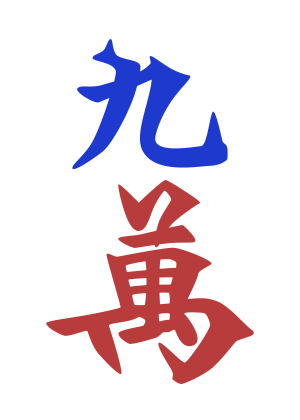
- Characters (also called cracks or wan): the Chinese numbers 1 to 9 above the character for ten thousand.
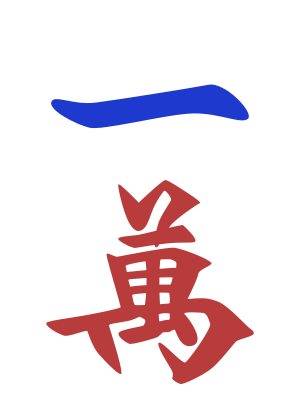
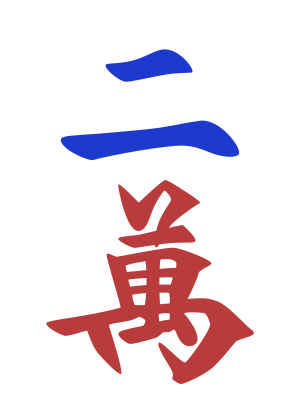
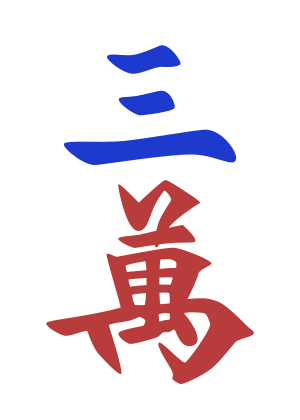
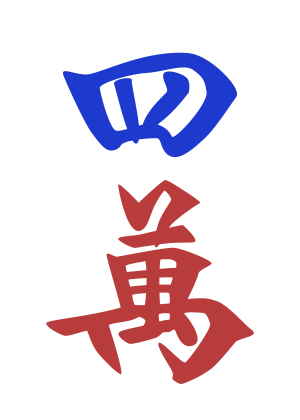
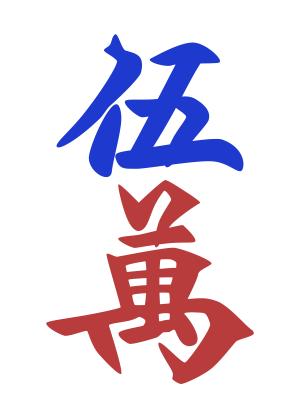
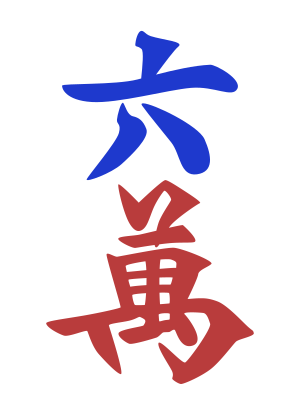
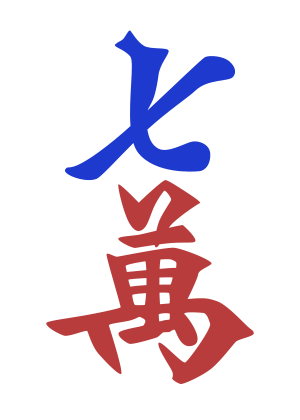
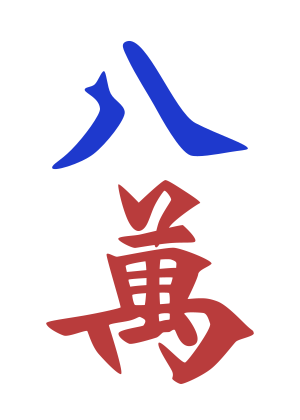
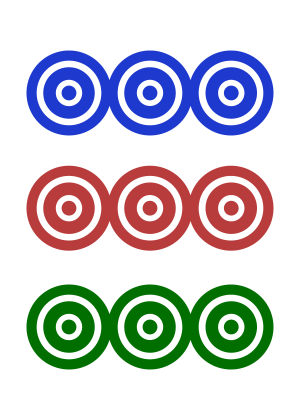
- Circles (also called dots or tung): 1 to 9 circles.

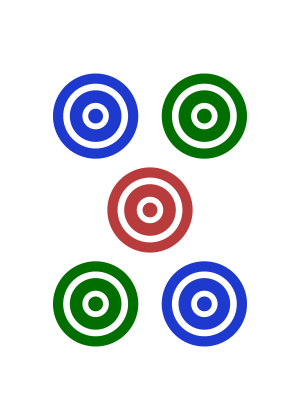
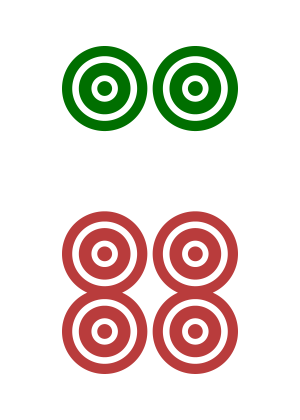
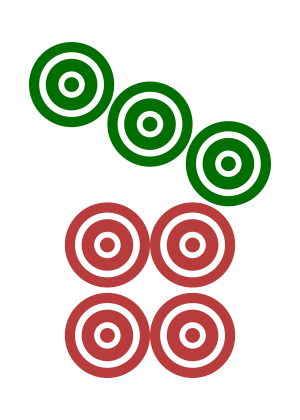
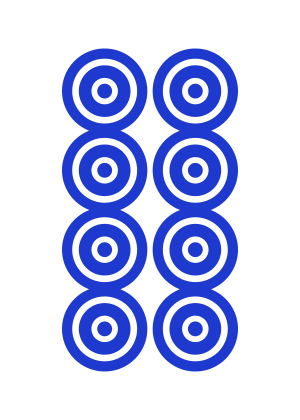
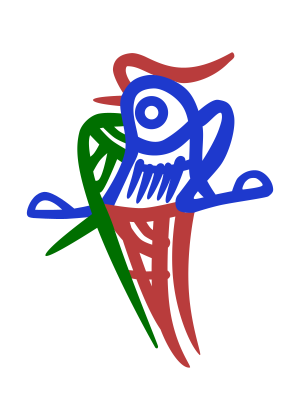
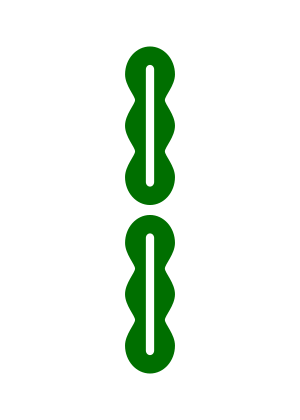
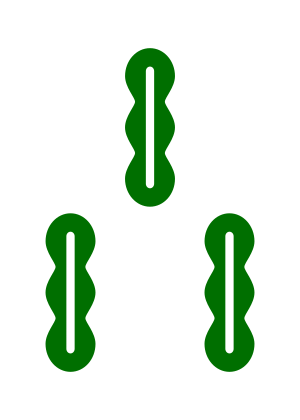
- Bamboos (also called sticks or sok): 1 to 9 bamboo sticks. The 1 Bamboo is usually a bird.
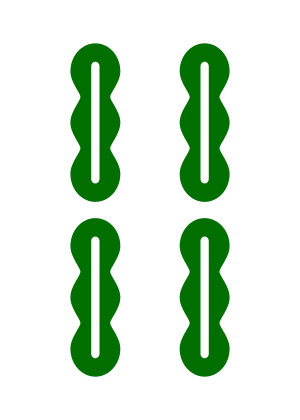
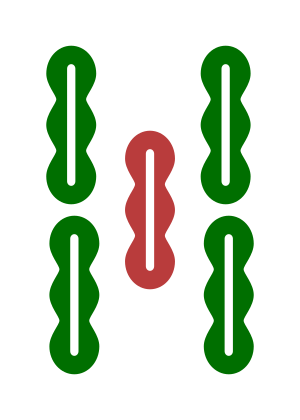
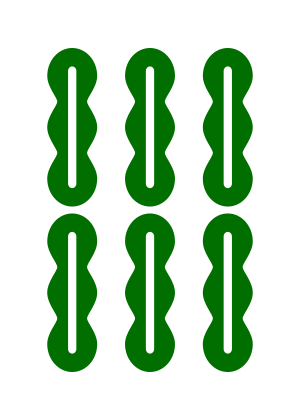
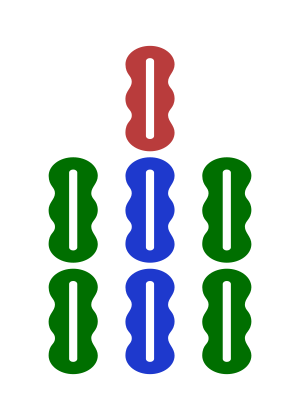
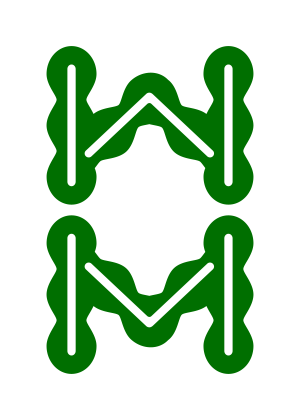
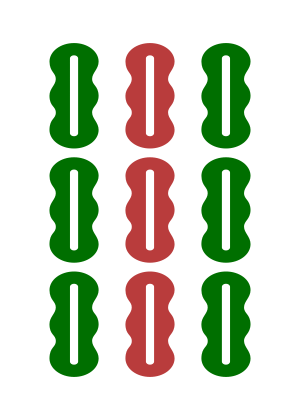
The 1s and 9s are called terminals. They matter for some of the biggest hands.
Honor tiles (28 tiles)
- Winds: East, South, West and North.
- Dragons: Red, Green and White (a blank or framed tile).
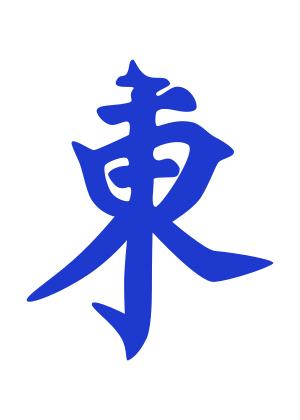
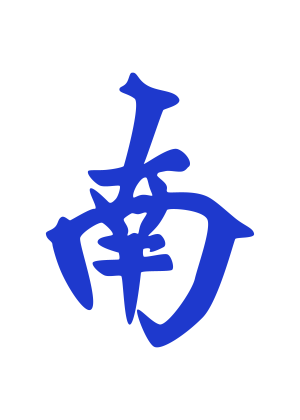
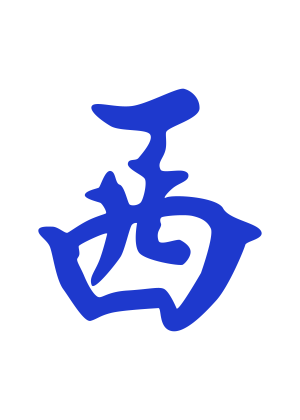
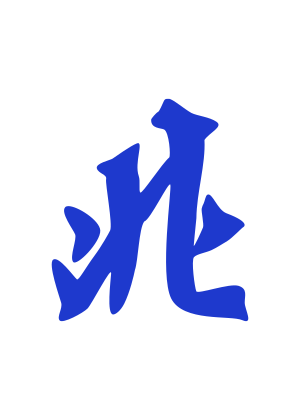
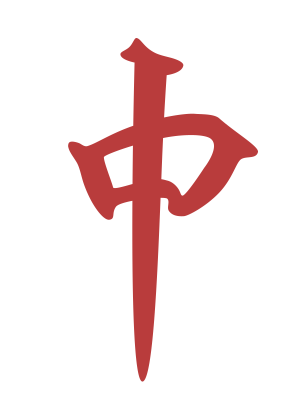
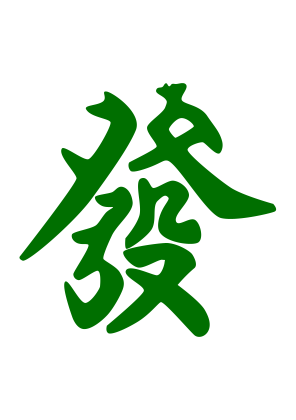
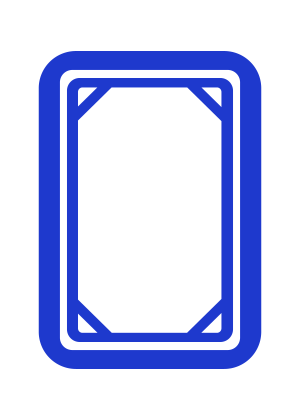
Honors can't form sequences, only triplets and pairs. A triplet of dragons always scores, and so does a triplet of your own wind or the round's wind.
Flowers and seasons (8 bonus tiles)
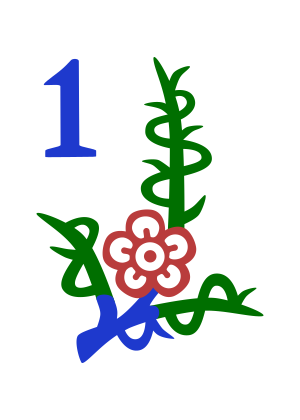
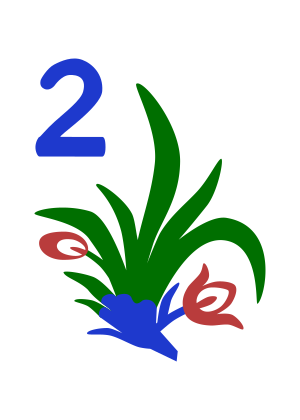
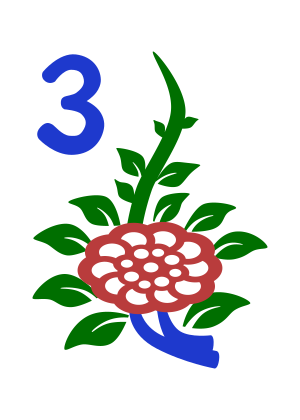
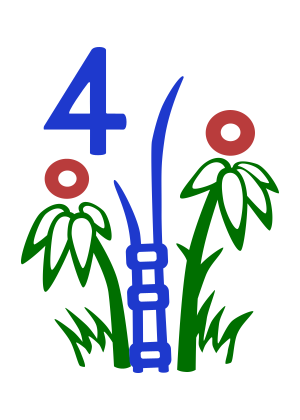



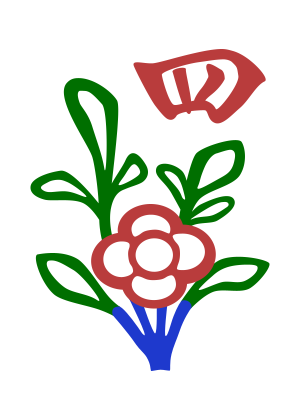
There is one of each. They are never part of your hand. When you draw one, lay it face up in front of you and draw a replacement tile from the end of the wall. Each flower and season is numbered 1 to 4, matching the seats East, South, West and North, and your own number is worth a bonus faan.
2. The goal: four melds and a pair
Be the first player to complete a hand of 14 tiles: four melds and one pair. The hand must also be worth the table's minimum, usually 3 faan.
There are three kinds of meld:
- Chow: a sequence of three tiles in a row in one suit, like 3-4-5 Circles.
- Pung: a triplet of three identical tiles, like three Red Dragons.
- Kong: four identical tiles. It counts as one meld, and you draw an extra tile to make up for it.
The pair (the eyes) is two identical tiles. Here is a complete hand: three chows in Characters, a pung of Red Dragons and a pair of East Winds. Because it uses one suit plus honors, it is a half flush.
Some special hands, like Seven Pairs and Thirteen Orphans, break the four-melds-and-a-pair shape. The Points Guide lists all of them.
3. Setting up the table
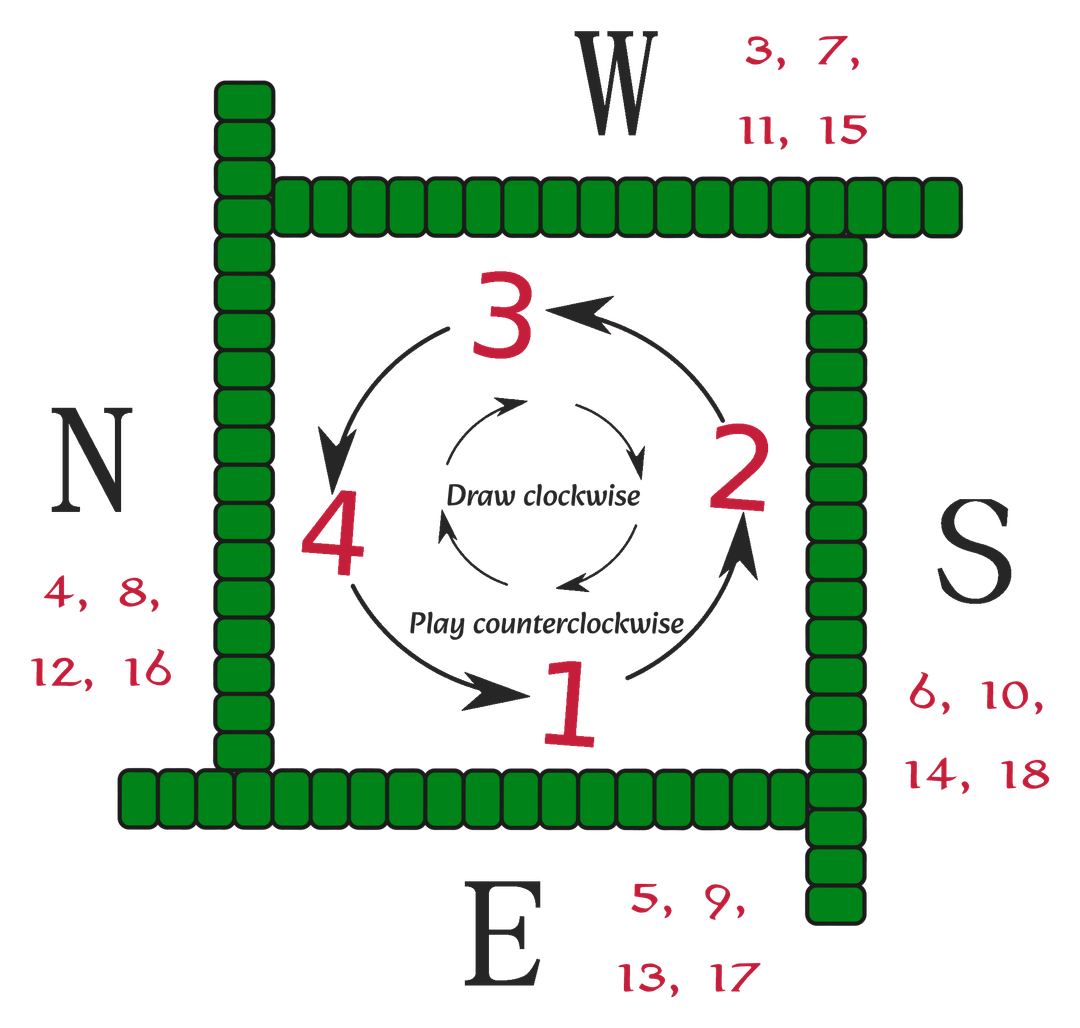
- Pick seats and the dealer. The four seats are named after the winds. The dealer sits at East; going counter-clockwise from the dealer come South, West and North.
- Shuffle and build the wall. Turn all 144 tiles face down and mix them. Each player builds a wall 18 tiles long and 2 tiles high in front of them, then the four walls are pushed together into a square.
- Roll for the break. The dealer rolls three dice and adds them up. Count that many players counter-clockwise, starting with the dealer as 1, to find whose wall to break. Then count the same number of stacks from the right end of that wall and break it there.
- Deal. Starting with the dealer and going counter-clockwise, each player takes four tiles at a time from the break, going clockwise around the wall, until everyone has 12. Then each takes one more, and the dealer takes a 14th tile.
- Replace flowers. Starting with the dealer, everyone lays out their flowers and seasons and draws replacements from the far end of the wall.
The dealer now has 14 tiles and starts the hand by discarding one. Everyone else has 13.
4. A turn: draw, then discard
Play goes counter-clockwise: East, South, West, North. On your turn:
- Draw the next tile from the wall (or claim the last discard, below).
- Discard one tile face up into the middle of the table, and say what it is.
You always hold 13 tiles between turns, not counting flowers or the extra tile from each kong. Discards stay in the middle for everyone to see, which is how you read what other players need.
5. Claiming discards: chow, pung, kong
Instead of drawing, you can take the tile just discarded to complete a meld. Call it out, take the tile, lay the finished meld face up in front of you (it is now exposed), and discard.
- Chow: only from the player just before you (on your left). You need the other two tiles of the sequence.
- Pung: from any player. You need a pair of the discarded tile. Play then continues from you, so players between can lose their turn.
- Kong: from any player, when you hold three of the discarded tile. Draw a replacement tile from the end of the wall, then discard.
If two players want the same tile, a win beats a pung or kong, and a pung or kong beats a chow. If two players can win on it, the next player in turn order gets it.
Concealed and added kongs
If you draw the fourth tile of a set you hold, you can declare a concealed kong: show it, set it aside, and draw a replacement. If you draw the fourth tile of a pung you have already exposed, you can add it to make a kong, but another player who needs that tile may rob the kong and win on it.
Concealed hands score more
Every claim makes your hand less concealed. A hand built only from your own draws, except perhaps the winning tile, earns a bonus faan. Claiming early is fast, but it shows the table what you are building.
6. Winning a hand
When one tile would complete your hand, you are ready (waiting). You can win on it two ways:
- Self-draw (zimo): you draw it from the wall yourself. This earns 1 bonus faan.
- On a discard: anyone throws it, and you call the win, even out of turn.
Say “sik woo” or simply “mahjong”, or “zimo” for a self-draw, and lay your hand face up. The others check it and count its faan. A hand under the table's minimum, usually 3 faan, can't be declared, so a cheap hand has to keep improving or wait for a better tile.
If the wall runs out and no one wins, the hand is a draw. Nobody pays, the tiles are reshuffled, and the deal passes to the next player.
7. Faan: what a hand is worth
Faan are points for the patterns in a winning hand. Add up every pattern that applies; most tables cap a hand at a limit of 10 or 13 faan. These are the ones beginners see most:
| Pattern | Faan | What it means |
|---|---|---|
| Self-Draw (zimo) | 1 | You drew your winning tile from the wall. |
| Concealed | 1 | You never claimed a discard, except the winning tile. |
| No Flowers | 1 | You have no flowers or seasons. |
| Seat Flower or Season | 1 each | A flower or season with your seat's number. |
| Dragon pung | 1 each | A pung or kong of any dragon. |
| Seat or round wind pung | 1 each | A pung or kong of your seat's wind or the round's wind. |
| All Sequences | 1 | Four chows and a pair. |
| All Triplets | 3 | Four pungs or kongs and a pair. |
| Half Flush | 3 | One suit only, plus honors. |
| Full Flush | 7 | One suit only, no honors. |
See every pattern, and score any hand with the free calculator, in the Mahjong Points Guide.
8. Paying the winner
Faan turn into points, which can stand for chips, money or just bragging rights. Two payout tables are common: half spicy, which grows gently, and full spicy, which doubles with every faan.
| Faan | 3 | 4 | 5 | 6 | 7 | 8 | 10 | 13 |
|---|---|---|---|---|---|---|---|---|
| Half spicy | 8 | 16 | 24 | 32 | 48 | 64 | 128 | 384 |
| Full spicy | 8 | 16 | 32 | 64 | 128 | 256 | 1,024 | 8,192 |
- Win on a discard: the player who threw the winning tile pays.
- Self-draw (zimo): all three other players pay.
Who pays how much is a house rule.
9. Dealer, winds and rounds
- The dealer stays only while they keep winning. When someone else wins, or the hand is a draw, the deal passes counter-clockwise, and every seat's wind moves with it.
- A round ends when every player has dealt. Rounds have a wind too: the first is the East round, then South, West and North.
- A full game is four rounds, sixteen deals or more. Many friendly games just play for an agreed time instead.
Your seat wind and the round wind both score: a pung of East is worth 2 faan to the East player in the East round.
10. House rules to agree on before you play
Hong Kong mahjong has no single governing body, so tables differ. Settle these first:
- The minimum faan to win (3 is the most common; some play 1).
- The limit (10 or 13 faan), and the payout table.
- Whether Seven Pairs counts, and what it is worth (we count it as 4).
- Whether a self-draw (zimo) makes each player pay the full or half amount.
Our online game uses a 3 faan minimum, a 13 faan limit and the scoring above, so it is a good place to practice before a real table. Prefer paper? Download our printable rules sheet (PDF).